
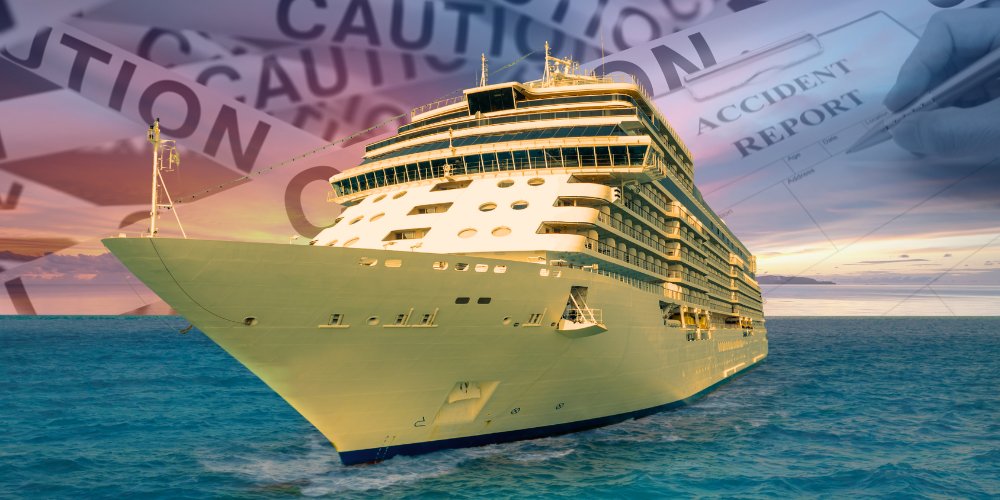
A cruise vacation is meant to create lasting memories. Days of sun, exotic locations, and relaxation on the open sea make cruises one of the most popular vacation choices in the world. In 2024 alone, more than 34.6 million people sailed on ocean-going cruises worldwide. Cruise ships are essentially floating cities and like in any city, accidents happen. Add to that slippery decks, unpredictable weather, crowded common areas, complex machinery, self-serve buffets, and the constant motion of the sea, and you have a true recipe for disaster. Even the smallest oversight in maintenance or safety can lead to serious incidents that put passengers at risk.
When injuries occur, the aftermath is rarely simple. Maritime law, the body of rules governing incidents that happen at sea or on major waterways, operates very differently from standard personal injury law. It involves unique deadlines, jurisdictional hurdles, and lesser-known legal doctrines. Having an attorney who understands both maritime regulations and the cruise industry itself can make the difference between a dismissed claim and a successful recovery.
At Schlesinger Law Offices, our attorneys are dedicated to leveling the playing field. We represent individuals and families that have suffered injuries such as severe burns, traumatic brain injuries, spinal cord damage, drowning, and wrongful death. With over 70 years of experience holding corporations accountable, we fight to ensure that victims and their families get the justice and compensation they deserve. If you’ve been injured on a cruise, don’t try to fight alone.
Common Injuries and Causes
Slips and Falls
Cruise lines have a legal duty to maintain safe walking surfaces and to warn passengers of known hazards. When a fall results from unsafe conditions or crew negligence, the cruise operator may be held liable under maritime law. Slips, trips, and falls are among the most common accidents at sea.
Common causes of slip-and-fall accidents include:
- Wet, uneven, or poorly lit decks
- Broken or loose handrails and staircases
- Negligent cleaning or maintenance
- Failure to post warning signs near hazards
- Crew negligence during rough seas or emergencies
Serious falls resulting from any one of these unsafe conditions can cause fractures, spinal cord injuries, traumatic brain injuries, or paralysis.
Overboard Incidents
An overboard incident occurs when a passenger accidentally or intentionally goes into the water while the cruise is underway. Despite technological advances, these events continue to happen due to a range of preventable safety issues and operational failures. Common contributing factors include:
- Inadequate surveillance or security coverage
- Faulty, corroded, or poorly designed railings
- Crew negligence or delayed response to emergencies
- Passenger intoxication or unsafe behavior
- Overcrowded public deck areas
- Defective overboard detection technology
- Insufficient lighting or visibility during night hours
Victims who go overboard face immediate risk of drowning, hypothermia, or traumatic injury from the fall. Federal law requires cruise ships to implement overboard detection systems, but enforcement and compliance remain inconsistent across the industry.
Fires and Explosion
Although rare, fires and explosions pose some of the most serious threats to passengers and crew. Cruise ships carry complex electrical systems, commercial-grade kitchens, and massive engine rooms, which can all be potential sources of ignition. When fires occur at sea, evacuation options are limited, and injuries can include burns, smoke inhalation, and asphyxiation.
Despite modern safety standards, onboard fires still occur due to preventable hazards. Common contributing factors include:
- Electrical malfunctions or overloaded circuits
- Fuel leaks or engine-room oil fires
- Poor ventilation or accumulation of combustible materials
- Improper storage of cleaning supplies or flammable chemicals
- Neglected kitchen equipment or grease buildup in galleys
- Faulty fire-suppression or alarm systems
- Inadequate crew training or delayed emergency response
Under maritime law, cruise operators are legally required to ensure that vessels are seaworthy and equipped with functional fire-prevention and emergency systems. Failure to inspect, maintain, or properly train crew members may constitute negligence.
What to Do After an Injury
If you suffered an injury aboard a cruise ship due to unsafe conditions, negligence, or crew error, you may be entitled to pursue a claim under maritime law. After a cruise ship accident, knowing what steps to take can make a significant difference in both your physical recovery and your ability to pursue justice. Cruise lines and their insurers move quickly to limit liability, often beginning internal investigations within hours of an incident. For passengers, acting promptly and documenting everything can preserve vital evidence and protect your ability to seek compensation later. Actions you can take include:
- Seek medical care as soon as possible.
Prompt treatment not only protects your health but also serves as crucial evidence. Medical records can help demonstrate that the injury occurred on board and document its severity. - Document everything.
Take photos of the scene, any visible hazards, and your injuries. Gather names and contact information for witnesses and keep copies of all medical and travel records related to the incident. - Keep track of your symptoms.
Maintain a simple journal noting pain levels, mobility issues, headaches, dizziness, or emotional distress. These notes can later help establish the impact of your injury. - Be consistent.
Describe your injuries clearly and consistently to every medical provider or cruise representative you speak with. Consistent details across records strengthen your credibility and your case. - Preserve communications.
Save emails, texts, and written reports from the cruise line or its insurance representatives. These can reveal timelines, admissions, or attempts to settle quickly. - Consult an experienced attorney.
Cruise ship injury claims are often governed by the fine print in your passenger ticket - Don’t sign anything.
After an injury, representatives from the cruise line or its insurance company may ask you to provide statements, sign waivers, or accept quick settlements. Doing so can limit your legal options or undermine your case. Always speak with an attorney first. Cruise ship injury claims are often governed by the fine print in your passenger ticket contract. These terms can restrict where, when, and how you can file a lawsuit. An experienced attorney can help you navigate these legal hurdles, ensuring your rights are protected and that the cruise line is held accountable under the law.
Your health and safety should always come first. Once you’re out of immediate danger and have received medical care, take time to record what happened so important details aren’t lost. These efforts can help establish a record that can support your claim if the cruise line or its insurers attempt to minimize responsibility.
Contact Schlesinger Law Offices for a Free Case Review
As a multigenerational firm, we’ve built a 70-year reputation for winning cases against some of the largest corporations in the world. Our attorneys have successfully handled catastrophic injury cases involving cruise ships, medical malpractice, defective products, motor vehicle accidents, and major transportation disasters across the U.S.
When a cruise line’s negligence causes life-changing harm, we have the resources, litigation power, and trial experience to fight for the maximum recovery possible. Our firm works on a contingency fee basis, meaning you pay nothing unless we win.
If you or a loved one suffered a serious injury on a cruise ship, don’t wait to take action. Evidence can be lost quickly, and many cruise contracts limit how long you have to file a claim.
Contact Schlesinger Law Offices today for a free case review and let us know what happened. We’re here to help you seek justice and accountability.
Please note: we operate on a contingency basis, meaning that you pay nothing unless we recover compensation for you. This way you can focus on recovery, not legal fees.
Want more content like this? Sign up for our newsletter to get articles and updates delivered straight to your inbox.