
Cauda Equina Syndrome Lawyer
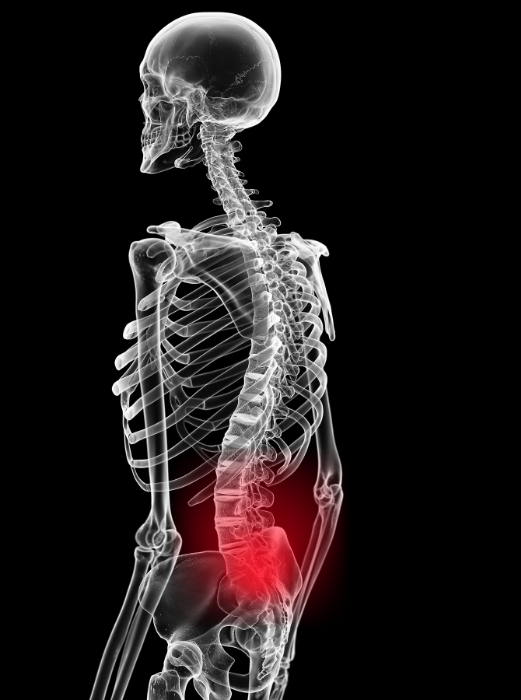
Cauda Equina Syndrome (CES) is caused by severe compression of the nerves at the base of the spinal cord known as the cauda equina, or “horse’s tail.” Pressure causes nerve damage that can lead to permanent paralysis, loss of bladder and bowel control, and chronic pain if not diagnosed and treated immediately.
Compression of the cauda equina nerves can result from a variety of conditions, including
- A herniated disc in the lumbar spine
- A spinal tumor or cyst
- An infection, like a spinal epidural abscess
- Trauma to the spine
- Complications from surgery
Regardless of the cause, once the cauda equina nerves are compressed, surgical decompression is the only way to prevent permanent damage.
Delayed Diagnosis, Permanent Paralysis
CES is a true emergency. Symptoms can include severe lower back pain, numbness, or bladder problems. Doctors must recognize this urgent condition quickly, as hours, not days, determine whether a patient walks again or lives with a permanent disability.
Unfortunately, too many hospitals and emergency departments fail to act quickly enough, leaving patients with lifelong damage that was likely preventable.
At Schlesinger Law Offices in Fort Lauderdale, our attorneys represent people who didn’t receive proper care for Cauda Equina Syndrome in South Florida and the rest of the United States. We hold hospitals, emergency physicians, and surgeons accountable when a delay in diagnosis or treatment takes away a person’s ability to walk, work, or live independently. This is malpractice and has life-long consequences for patients.
Urgent Symptoms
The early warning signs of CES are well documented, and CES should be in the differentials list when these symptoms are seen. in medical literature. Common symptoms include:
- Severe lower back pain which can often radiate down one or both legs
- Numbness or tingling of the inner thighs
- Weakness or a feeling of heaviness in the legs
- Loss of bladder or bowel control, or inability to urinate
- Sexual dysfunction
- Loss of reflexes or sensation in the lower body
A patient with these symptoms needs immediate diagnostic tests, typically through an MRI of the lumbar spine. When these warning signs are missed, ignored, or mistaken for routine back problems, critical time is lost, potentially missing the narrow window for surgical intervention. Once serious nerve damage occurs, recovery is often impossible.
Request a Free Case Review
If you or a loved one were the victim of medical negligence when dealing with Cauda Equina Syndrome, you may have a case.


Is a Delayed Diagnosis Medical Malpractice?
Not every poor medical outcome is malpractice. However, a delay in recognizing Cauda Equina Syndrome almost always represents a deviation from the proper standard of care.
Cauda Equina Syndrome becomes a matter of medical malpractice when an attending physician, emergency doctor, or hospital staff fails to recognize the warning signs or delays critical treatment. Because CES progresses rapidly, every hour matters.
Common medical errors that lead to Cauda Equina Syndrome malpractice claims include:
- Misdiagnosing the condition as a routine back strain or herniated disc
- Failing to order an MRI despite red-flag neurological symptoms
- Delaying the reading or reporting of MRI results
- Failing to consult a neurosurgeon promptly
- Failing to arrange emergency decompression surgery when indicated
- Delaying the transfer to a higher-level facility capable of providing appropriate care for CES
Each of these failures can contribute to permanent spinal nerve damage. At Schlesinger Law Offices, our medical malpractice lawyers work with neurosurgeons and spinal injury experts to reconstruct exactly what, why, when and how medical errors occurred. We analyze the timeline of symptoms, hospital logs, and radiology records to determine if and when the standard of care was breached.
Consequences of Cauda Equina Syndrome
Cauda Equina Syndrome can be devastating not only medically, but also financially. The loss of mobility and nerve function can affect nearly every aspect of daily life, leaving lasting physical limitations and significant financial burdens.
Physical Consequences
- Permanent lower-body paralysis (paraplegia)
- Loss of bladder and bowel control
- Sexual dysfunction
- Chronic neuropathic pain
- Loss of mobility and independence
- Muscle atrophy and weakness
- Severe emotional distress, anxiety, and depression

Financial Consequences
- Extensive medical and rehabilitation costs
- Ongoing physical therapy and assistive equipment expenses
- Home and vehicle modifications for accessibility
- Loss of income and diminished earning capacity
- Cost of in-home care or long-term nursing support
- Lifetime pain and suffering damages
Because the effects of Cauda Equina Syndrome are often catastrophic, these cases frequently result in substantial financial recovery when negligence is proven. Patients and families may be entitled to compensation that covers both the measurable economic losses and the profound personal impact of a preventable spinal injury.
What to Do If You Believe CES Malpractice Occurred
If you or a loved one suffered paralysis, incontinence, or loss of function following a spinal injury, time is critical. Act quickly by:
- Getting copies of your medical records immediately.
Include hospital charts, imaging reports, ER notes, and surgical records. - Documenting your symptoms and timeline.
Write down when symptoms began, what you reported to doctors, and if you received treatment and how long it took to receive care, such as imaging or surgery. - Contacting an experienced medical malpractice attorney.
Do not rely on the hospital’s explanation. Independent review by a lawyer is essential.
The attorneys at Schlesinger Law Offices will review your case confidentially and determine whether delayed diagnosis or improper care caused your injuries.
Contact Schlesinger Law Offices
If your life was changed by an injury resulting from a doctor or hospital failing to act quickly enough, you deserve answers, accountability, and compensation. For over 70 years, Schlesinger Law Offices has represented victims of medical negligence in South Florida and across the United States. Our firm has built a reputation for taking on complex and high-stakes cases, including spinal cord injuries, paralysis, and surgical errors, and then delivering life-changing results for our clients.
We also understand the human side of these cases: the grief, frustration, and fear that comes following a severe medical issue. When hospitals ignore neurological emergencies, we make sure juries understand exactly what that means, and why justice demands accountability.
Call (954) 467-8800 or use our secure online form to begin your free case review. We handle all medical malpractice cases on a contingency fee basis, meaning you pay nothing unless we recover compensation for you.

Frequently Asked Questions About Cauda Equina Syndrome Malpractice
How long do I have to file a Cauda Equina Syndrome malpractice claim in Florida?
In Florida, most medical malpractice claims must be filed within two years from the date the injury was discovered. However, certain exceptions may extend or shorten this period depending on the facts of the case.
Because these deadlines can be complex and missing them can permanently prevent you from filing a claim, contact an attorney as soon as possible to help you protect your right to pursue compensation.
Can Cauda Equina Syndrome result from an epidural injection or anesthesia?
Yes, although it is rare. Epidural injections (such as steroid injections for back pain or anesthesia for surgery) can sometimes lead to infection, bleeding, or inflammation that compresses the cauda equina nerves.
What should doctors do when they suspect Cauda Equina Syndrome?
When a patient presents with red-flag symptoms (including severe back pain, numbness in the legs, or loss of bladder control) doctors should:
- Order an emergency MRI of the lumbar spine;
- Consult a neurosurgeon; and
- Order urgent decompression surgery (if compression is confirmed).
Any failure or delay in this process may constitute medical negligence.
What kind of compensation can I recover in a Cauda Equina malpractice case?
Victims of CES malpractice may be entitled to recover damages for:
- Past and future medical expenses
- Lost wages and loss of earning capacity
- Cost of assistive devices or in-home care
- Pain and suffering
- Loss of enjoyment of life
How can Schlesinger Law Offices help?
At Schlesinger Law Offices, our Fort Lauderdale-based attorneys have decades of proven courtroom success in complex medical malpractice cases. We work closely with neurosurgeons, radiologists, and other diagnostic experts to build a clear medical picture that both demonstrates how the critical window for intervention was missed and explains how timely treatment could have prevented lasting harm.
If you suspect Cauda Equina Syndrome malpractice, call (954) 467-8800 or contact Schlesinger Law Offices today for a free and confidential consultation.