
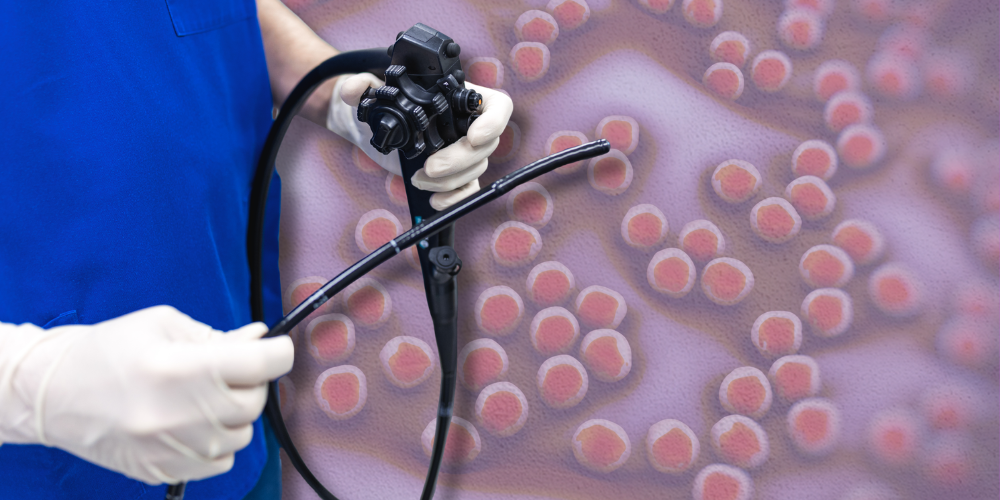
Medical scopes are used every day in hospitals and surgical centers to help doctors diagnose and treat serious conditions without open surgery. These devices are essential tools in modern medicine, allowing physicians to examine internal organs, take samples, remove blockages, treat disease, and perform other important procedures.
Because many medical scopes and scope accessories are reused, they must be carefully reprocessed before being used on another patient. Depending on the device and procedure, this may include cleaning, high-level disinfection, sterilization, drying, inspection, and strict handling protocols.
Unfortunately, this can be difficult, as some reusable scopes and accessories have small channels, moving parts, and disassembly requirements that can make complete reprocessing complicated. When cleaning or disinfection is incomplete, tissue, fluid, biomaterial, bacteria, or other microbes may remain on or inside the device. When these products cannot be cleaned properly they can expose patients to dangerous materials and may result in a serious infection.
Recent Olympus Scope and Accessory Safety Concerns
Olympus, a major manufacturer of endoscopes and other medical tools, has faced continued scrutiny for more than a decade due to infection risks involving reusable scopes and scope accessories. Most recently, Olympus has faced renewed safety concerns involving two categories of reusable endoscopic products: the MAJ-891 Forceps/Irrigation Plug and TJF-series duodenoscopes.
The Olympus MAJ-891 Forceps/Irrigation Plug: a reusable accessory used with certain Olympus endoscopes, including cystoscopes used in bladder and urinary tract procedures.
- Olympus and FDA materials state that the accessory must be detached from the endoscope and disassembled before cleaning, disinfection, or sterilization. If that process is incomplete or performed incorrectly, biomaterial or microbes may remain on or inside the device, creating a risk of patient infection.
- The FDA classified the MAJ-891 action as a Class I recall, the agency’s most serious recall category. Olympus reported 120 serious injuries and one death due to infection following procedures in which the MAJ-891 was used with a cystoscope. Olympus recommended that providers use alternative devices when available.
TJF-series duodenoscopes: used during ERCP procedures to diagnose and treat conditions involving the bile ducts, pancreatic ducts, gallbladder, liver, and pancreas.
- In a 2025 reprocessing update, Olympus stated that post-market surveillance data suggested higher microbial contamination levels when manual cleaning was delayed beyond one hour and a presoak step was performed. Olympus updated the reprocessing instructions to require manual cleaning to begin within one hour after the patient procedure.
- Separately, Olympus reported receiving two death reports and five serious-injury reports involving infection or positive cultures potentially related to use of TJF duodenoscopes. Olympus stated that those reports did not contain enough information to determine whether the duodenoscope contributed to infection transmission.
Together, these recent Olympus safety issues have been associated with reports of 125 serious injuries and three deaths. A report of infection after a procedure does not automatically prove that a scope or accessory caused the infection. Patients undergoing ERCP or urologic procedures may have serious underlying conditions, and infections can have multiple causes. Still, the fact that regulators and Olympus have addressed positive cultures, infections, reprocessing instructions, and alternative-device recommendations shows that contamination risk remains a current safety concern.
“Superbug” Infections and Duodenoscope Risks
The FDA has recognized that duodenoscopes present many infection-control challenges. These devices have small working parts, internal channels, and a distal tip area that can be difficult to clean thoroughly. If tissue or fluid from one patient remains in a duodenoscope after reprocessing, contamination may be transferred to another patient.
The risk of serious infection can be even greater if the contamination includes multidrug-resistant bacteria, sometimes called “superbugs.” These bacteria can be extremely difficult to treat because they may resist multiple antibiotics.
Duodenoscopes are used in more than 500,000 ERCP procedures each year in the United States. The infection risk does not mean patients should automatically avoid ERCP. ERCP can be a critical procedure for patients with blocked bile ducts, pancreatic problems, gallstones, cancers, and other serious conditions. However, the history of Olympus duodenoscope infections, along with the frequency and importance of the procedures that use these devices, shows why hospitals and manufacturers must focus on cleaning instructions, device design, disposable components, surveillance cultures, and post-procedure infection tracking.
Past Olympus Infection Cases
The past outbreak reports are not previous cases involving the current MAJ-891 issue. They involved different devices and procedures. However, they revolved around a similar safety concern: reusable Olympus scopes and scope accessories have been linked to situations where contamination or infection risks remained after reprocessing.
The Olympus duodenoscope issue received major public attention around 2015 after a series of superbug outbreaks at hospitals, including UCLA Ronald Reagan Medical Center and Cedars-Sinai Medical Center in Los Angeles. Public reports described patients who developed infections involving CRE, or carbapenem-resistant Enterobacteriaceae, after ERCP procedures involving Olympus duodenoscopes.
CRE is a dangerous group of antibiotic-resistant bacteria. Infections involving CRE can be difficult to treat and may be life-threatening, especially for patients who are already seriously ill or medically vulnerable.
In 2018, Olympus Medical Systems Corporation and a former senior executive pleaded guilty to failing to file required adverse event reports involving infections connected to duodenoscopes. Olympus agreed to pay $80 million in criminal fines and $5 million in criminal forfeiture and to implement compliance reforms.
Despite that federal resolution, all patient cases were not necessarily resolved in the same way. Individual civil claims and outbreak-related lawsuits followed different paths, and some outcomes were not publicly available. But the federal case showed that regulators viewed the reporting failures around duodenoscope infections as extremely serious.
10+ Years of Reprocessing, Contamination, and Infection Concerns
The older duodenoscope outbreaks involved ERCP scopes and multidrug-resistant bacterial infections. The newer MAJ-891 issue involves a cystoscope accessory and reported infections after urologic procedures. The more recent TJF duodenoscope safety communications involve ERCP scopes, microbial contamination, positive cultures, and updated reprocessing instructions.
The underlying safety question is similar across these events: can a reusable scope or accessory be cleaned thoroughly enough to protect the next patient?
Reusable medical scopes are important tools, and many procedures that use them are medically necessary. However, patients, hospitals, and regulators depend on manufacturers to design devices that can be safely reprocessed in real-world clinical settings. If a device is too difficult to clean and allows microbes to remain in hidden areas, patients may face preventable infection risks.
What Patients Should Know
Patients who develop an infection after an endoscopic procedure should understand that an infection does not automatically mean the scope caused the problem, infections can occur for many reasons.
However, patients and families may want to ask questions if an infection occurred after a procedure involving an Olympus scope or scope accessory, especially if the infection involved antibiotic-resistant bacteria, sepsis, organ failure, or another serious complication.
Important questions may include:
- Was the device an Olympus duodenoscope, cystoscope, or related accessory?
- Was the facility notified of any recall, safety alert, or updated reprocessing instruction?
- Were other patients at the same facility diagnosed with similar infections?
- Did cultures identify a multidrug-resistant organism such as CRE?
- Was the infection reported to the hospital, manufacturer, or FDA?
- Were reprocessing logs, scope identification records, or sterilization/disinfection records preserved?
Medical records may not always clearly identify the specific scope or accessory used. Hospitals and surgical centers may maintain separate device logs, reprocessing records, procedure reports, culture results, and infection-control documents. These records can be important when evaluating whether a device may have contributed to an infection.
How Schlesinger Law Offices Can Help
Schlesinger Law Offices is investigating cases involving serious infections potentially connected to Olympus medical scopes and reusable scope accessories, including duodenoscopes used in ERCP procedures and the MAJ-891 Forceps/Irrigation Plug used with certain cystoscopes.
These cases can be complex. They may involve medical records, hospital infection-control practices, device design issues, FDA recall materials, adverse event reports, reprocessing instructions, and expert analysis. A serious infection after a procedure raises questions about the device’s design, the adequacy of the warnings and instructions, the cleaning and disinfection process, and whether patients were exposed to preventable risks.
Our firm has experience handling complex product liability and medical-related cases against large corporations. There is no cost to speak with us, and we handle these cases on a contingency-fee basis, meaning you do not pay attorney’s fees unless we recover compensation for you.
Want more content like this? Sign up for our newsletter to get articles and updates delivered straight to your inbox.